ABOUT / ROMINA VEISY
UX / PRODUCT DESIGNER
ARCHITECTURE → SERVICE → DIGITAL PRODUCTS
I learned to design spaces.Now I design the systemspeople move through.
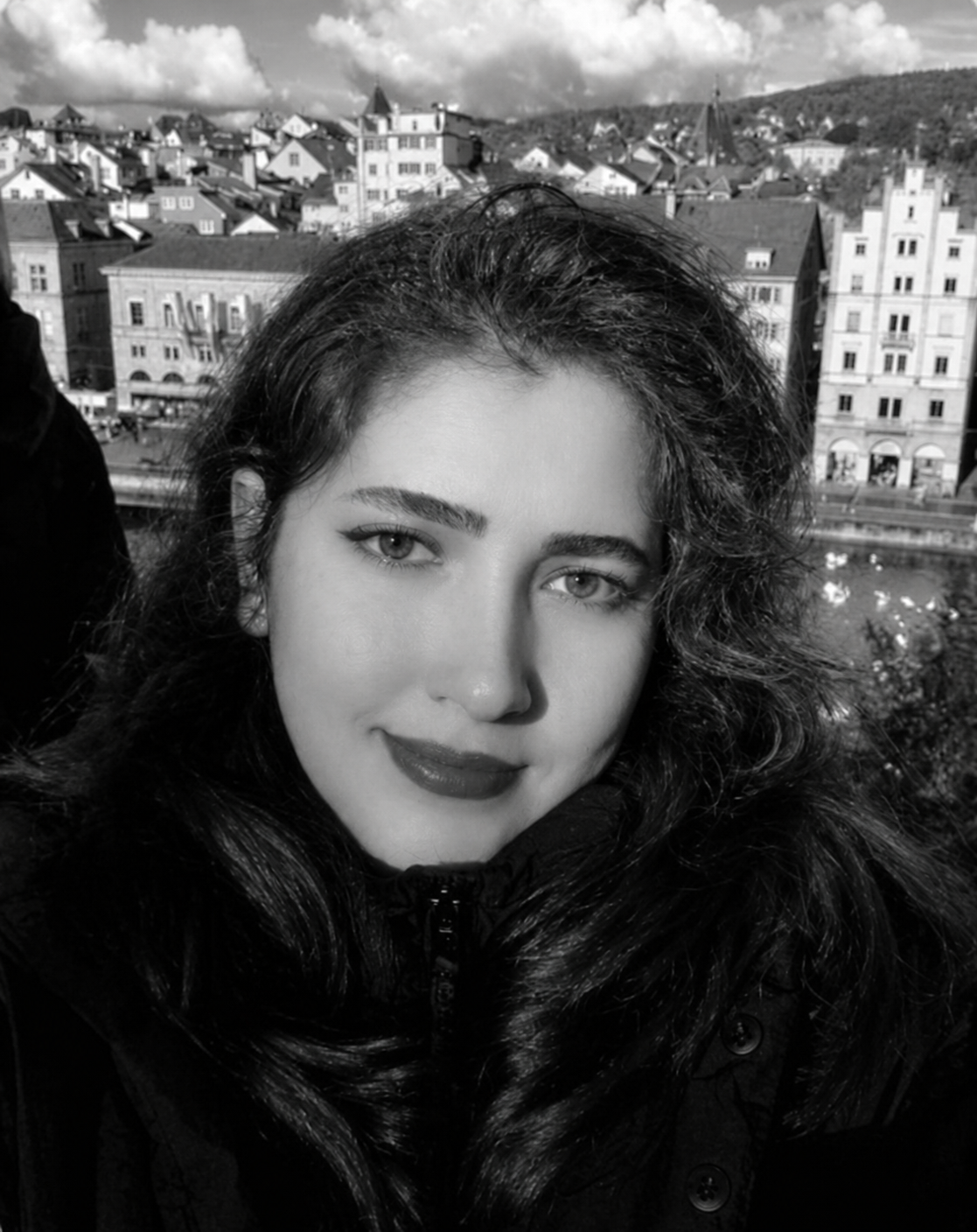
ROMINA VEISY — ’S-HERTOGENBOSCH, THE NETHERLANDS
I did not leave architecture behind. I brought its way of thinking with me.
I trained as an architect in Iran, where design was never only about appearance. A plan had to hold people, movement, structure, materials, regulations and time at once. My bachelor thesis explored a residential complex for orphans—an environment designed around vitality, creativity and belonging.
Working in interior design made that responsibility immediate: decisions became rooms people lived in, details contractors had to build, and compromises that still needed to feel intentional. Later, service design showed me that the invisible parts of an experience—handoffs, queues, routines and ownership—shape people just as much as walls do.
Today I design digital products and visual systems. The medium changed; the question did not: how can a complex system become clear enough for someone to move through it with confidence?
01 / THE THREAD BETWEEN THE WORK
Different mediums. One way of seeing.
My background is not a collection of separate careers. Each step taught me to see a different layer of the same problem: people trying to act inside systems they did not design.
01
Architecture
See the whole system
I learned to think in relationships: people and space, form and structure, ambition and constraint. A strong idea has to survive reality.
02
Service design
Find what happens between moments
At Albert Heijn, the customer experience depended on layouts, operations and teams moving together. The visible moment was only the surface.
03
Product design
Make complexity usable
At Cyclomedia, I turn technical workflows, system architecture and geospatial information into tools and stories people can understand and use.
02 / HOW I WORK
When the answer is not obvious.
I start before the interface and stay until the consequence is clear.
01
Find the real system
I look beyond the brief to the people, rules, handoffs and incentives surrounding it. The right screen cannot repair the wrong system.
02
Make complexity visible
Flows, prototypes, diagrams and motion help teams see the same problem. Once the invisible becomes visible, decisions get sharper.
03
Test where life happens
A design should work outside the presentation: on the street, in a busy operation, with incomplete information and real constraints.
03 / NOW
Designing tools—and the stories that make them matter.
CYCLOMEDIA
Internal product systems
I design UX flows, interactive prototypes and data-visualisation tools that turn dense operational and technical information into decisions people can make quickly.
SAMENSTAD
A civic product from the ground up
Alongside my professional work, I am co-building a civic reporting platform with my co-founder. It asks how residents, municipalities and companies can make a broken street visible, accountable and fixable together.
04 / OUTSIDE THE SCREEN
Still curious. Still making.
Away from product work, I keep returning to a camera, watercolour and physical models. They slow me down in different ways: photography trains attention, painting makes room for intuition, and model-making forces an idea to meet gravity. Click any image to see it larger.
PHOTOGRAPHY
Noticing before naming.
Architecture, light, movement and the small contradictions that make a place feel alive.
PAINTING
Thinking with colour and hand.
Watercolour and ink let precision coexist with accident and keep atmosphere close.
MODEL-MAKING
Ideas that have to stand up.
Physical models test proportion, structure and whether a concept can become something real.